
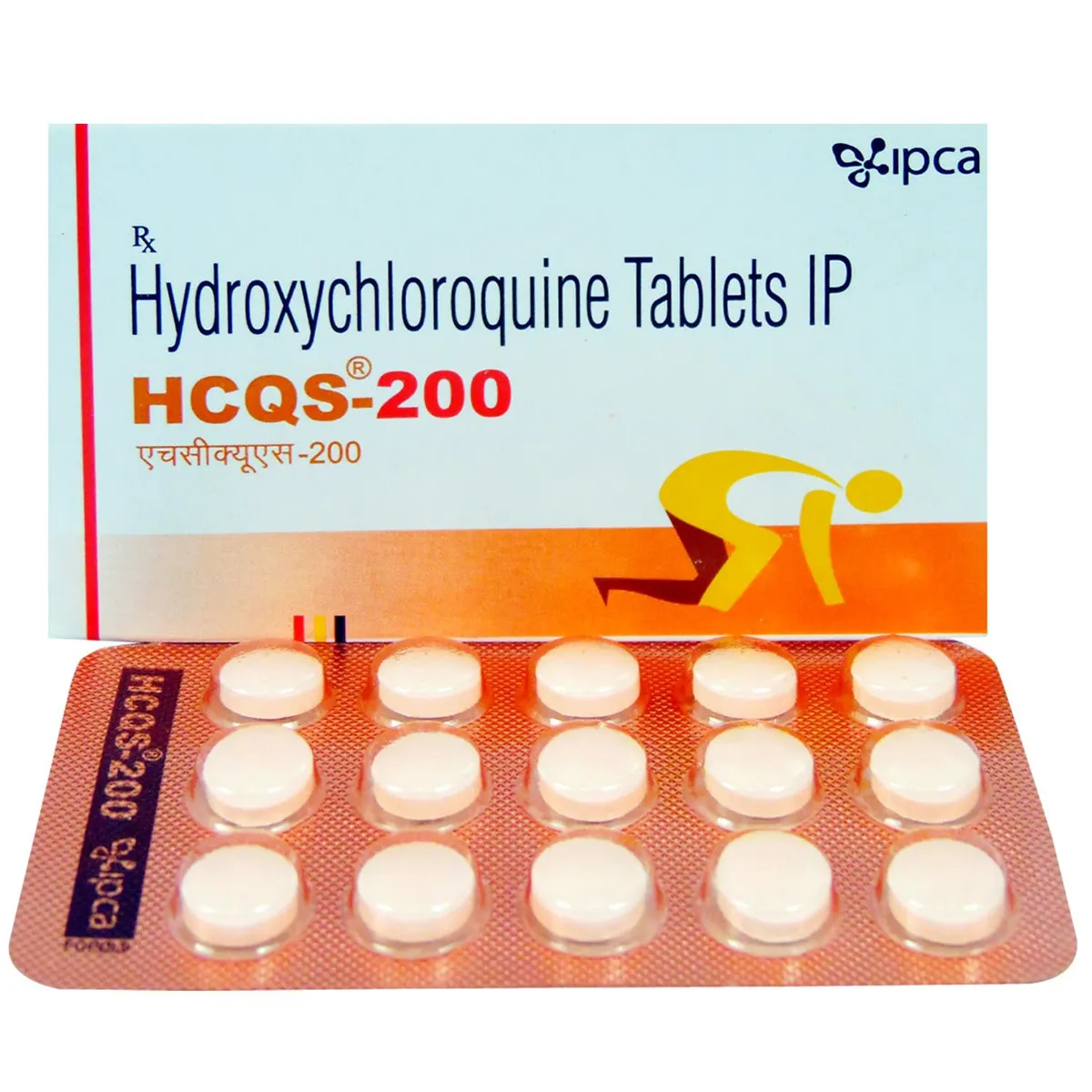
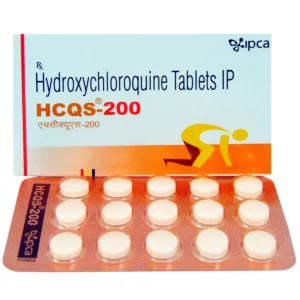
Hydroxychloroquine 200 mg
Brand Name : Hydroxychloroquine 200mg
Active Ingredient (Generic Name) : Hydroxychloroquine
Indication : Rheumatoid arthritis, Systemic lupus erythematosus (SLE), Type 2 diabetes, treating COVID-19
Manufacturer : Torrent Pharmaceuticals Ltd
Packaging : 15 Tablets in 1 strip
Strength : 200 mg
What is Hydroxychloroquine
-
Hydroxychloroquine (HCQ) is a derivative of chloroquine; it belongs to the 4-aminoquinoline class.
-
It has antimalarial activity and immunomodulatory / anti-inflammatory properties, which is why it is used in autoimmune diseases like rheumatoid arthritis and lupus.
Drug Form & Strength
-
The 200 mg tablet is a common oral form. Each 200 mg hydroxychloroquine sulfate tablet corresponds to about 155 mg of the base.
-
Tablets are film-coated for oral use. They should be taken with a meal or milk to reduce gastrointestinal irritation.
How It Works (Mechanism)
-
For malaria: it interferes with parasite communication, growth, and replication within red blood cells.
-
In autoimmune disease: the exact mechanisms are not completely understood. It is believed to modify the immune response, reduce inflammation, reduce antigen presentation, inhibit toll-like receptor activity, and interfere with some intracellular processes.
Indications (What It’s Used For)
Hydroxychloroquine is used for:
-
Malaria
-
Treatment of certain types of malaria.
-
Often used for prophylaxis in endemic areas.
-
-
Autoimmune / Rheumatic Diseases
-
Systemic lupus erythematosus (SLE)
-
Discoid lupus & other cutaneous lupus forms
-
Rheumatoid arthritis
-
Some dermatological conditions worsened by sunlight (photosensitive dermatoses)
-
Dosage
Because hydroxychloroquine has risks that increase with dose & duration, doses are carefully set, often based on weight.
-
Typical maintenance dose in many autoimmune conditions: 200-400 mg daily after response is achieved.
-
Some start with higher initial doses for certain conditions, then taper.
-
Maximum safe dose is often limited by risk of toxicity, especially ocular toxicity (retinopathy). For many guidelines, that means not exceeding about 5 mg/kg/day (actual body weight). Earlier guidelines used 6.5 mg/kg ideal weight, but newer recommendations tend toward 5 mg/kg.
-
In malaria, dosing is different (loading doses, multi-day regimens).
Pharmacokinetics
-
Absorption: Hydroxychloroquine is well absorbed orally; taking with food can improve tolerability.
-
Distribution: Widely distributed throughout body, including to skin, eyes, etc. It accumulates over time, which is part of both its therapeutic effect (for autoimmune conditions) and risk (especially for retina).
-
Elimination: Mainly via kidneys; also some hepatic metabolism. Plasma half-life is long.
Side Effects & Risks
Hydroxychloroquine is generally considered safe when used correctly, but there are risks — some mild, some serious, especially with higher doses, long duration, or in certain risk-groups.
Common / Mild Side Effects
-
Gastrointestinal upset: nausea, vomiting, diarrhea, abdominal cramps. WebMD+2FDA Database+2
-
Headache, dizziness. Medicines.org.uk+1
-
Skin reactions: mild rash, photosensitivity. Medicines.org.uk+2Medex+2
Serious / Less Common Risks
-
Retinopathy / Eye damage: Risk increases with cumulative dose, duration of use, high daily dose, older age, kidney disease, pre-existing eye problems. Regular eye exams are recommended (baseline and annually).
-
Cardiac issues: Including QT interval prolongation, arrhythmias, rarely cardiomyopathy. Use caution if patient has cardiac disease or using other drugs that affect QT interval.
-
Hypoglycemia: Can lower blood sugar; can be serious.
-
Hepatotoxicity: Abnormal liver tests; rare but serious liver injury.
-
Blood disorders: Very rarely, bone marrow suppression (anemia, leukopenia, thrombocytopenia) especially in certain risk groups.
-
Skin reactions: Severe ones like Stevens-Johnson syndrome or toxic epidermal necrolysis are rare but possible.
-
Neuromuscular effects: Muscle weakness, sometimes neuropathy.
Monitoring, Contraindications & Precautions
-
Before starting therapy: eye exam (baseline).
-
Periodic monitoring: visual acuity, color vision, retinal exam; liver function tests; if relevant, ECG for cardiac risk; renal function in those with impaired kidneys.
-
Dose adjustment in renal impairment.
-
Contraindications: known hypersensitivity to hydroxychloroquine or related compounds; pre-existing retinopathy; caution/avoid in certain heart conditions; some skin conditions (e.g. psoriasis) may worsen.
What the 200 mg Dose Means
-
200 mg is often the maintenance dose, especially in autoimmune diseases, once the condition is under control.
-
It is equivalent to 155 mg base (important when comparing amounts in studies or when base/dose is given in base form versus salt).
-
It may be adjusted up or down depending on weight, kidney/liver function, duration of treatment, and risk of side effects.
Special Considerations
-
Long duration of use increases risk of cumulative side effects (especially retinopathy). Therefore, the lowest effective dose for the shortest period necessary is preferred.
-
In pregnancy: HCQ is often continued in lupus pregnancies because it helps reduce flares and risk in both mother and fetus; but still medical supervision is essential.
-
Drug interactions: caution with other medicines that prolong QT interval; also interactions with drugs affecting liver metabolism; also risks of hypoglycemia if combined with antidiabetic drugs.
| Tablet |
|---|
Be the first to review “Hydroxychloroquine 200 mg”
Related products
-
Product on sale
 Select options This product has multiple variants. The options may be chosen on the product page
HCQS 400 Mg Tablets (Hydroxychloroquine)
Price range: $120 through $260 -
Product on sale
 Select options This product has multiple variants. The options may be chosen on the product page
HCQS 200 Mg HCQS 200 Mg Tablet (Hydroxychloroquine)
Price range: $80 through $205 -
Product on sale
 Select options This product has multiple variants. The options may be chosen on the product page
Plaquenil 200mg (Hydroxychloroquine)
Price range: $80 through $205
Reviews
There are no reviews yet.